
The Shift from SEO to Human-First Digital Marketing in 2026
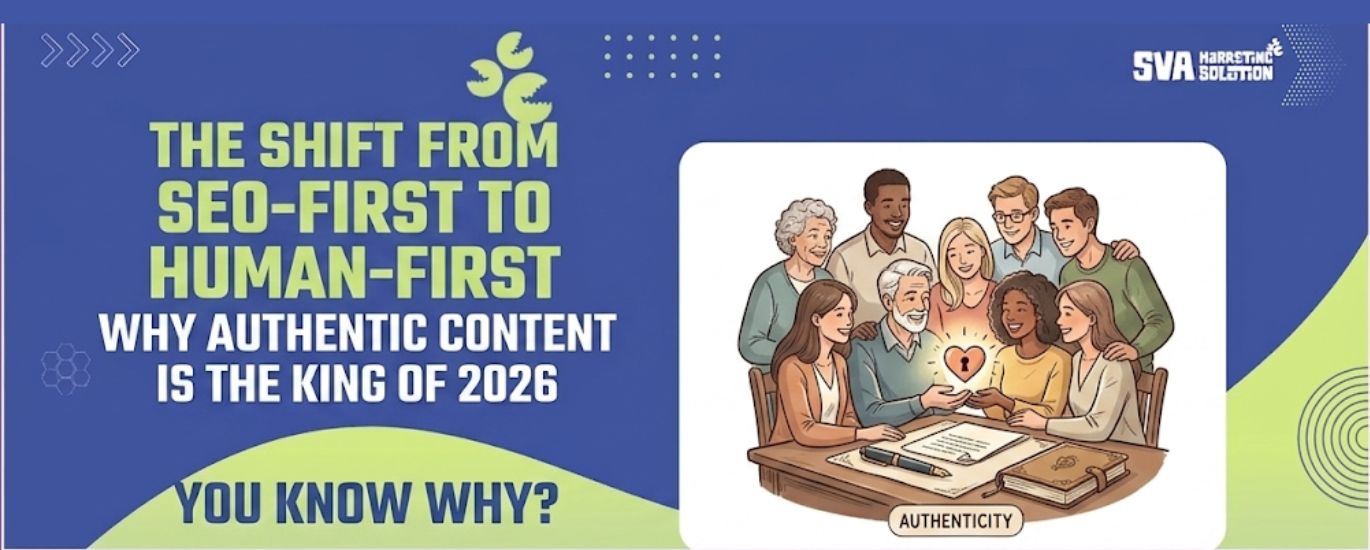
In 2026, digital marketing is no longer just about ranking #1 on search engines—it’s about building trust with real people. While search engine optimization still matters, brands that focus only on algorithms are falling behind. The real winners are those who create authentic, human-first content that connects, engages, and delivers real value.0
What is Digital Marketing?
Digital marketing refers to the use of online platforms, tools, and technologies to promote products or services. It includes channels like social media, search engines, email marketing, and websites.
The goal is simple: reach the right audience at the right time with the right message.
In India, digital marketing has become a powerful growth engine for businesses of all sizes—from startups to large enterprises.
Why Generic Content is Dead in 2026
The era of copy-paste and AI-generated generic content is over. Search engines and users both demand originality and value.
What does this mean?
If your content simply repeats what’s already available online, it won’t rank—or worse, it won’t be trusted.
The new rule:
Add something unique
- Real experiences
- Personal insights
- Case studies
- Strong opinions
If your content could be written by anyone, it shouldn’t be published by you.
Why Digital Marketing Matters More Than Ever
The biggest advantage of digital marketing is its ability to connect businesses with a global audience while allowing precise targeting.
Key benefits:
- Target users based on interests, behavior, and location
- Cost-effective for small businesses
- Measurable results with real-time analytics
- Equal opportunity for startups and big brands
In a competitive market like India, digital marketing helps businesses grow faster and smarter.
Key Components of Digital Marketing
1. Search Engine Optimization
Helps your website rank higher on Google and attract organic traffic.
2. Social Media Marketing
Platforms like Instagram, Facebook, and LinkedIn help build brand awareness and engagement.
3. Content Marketing
Blogs, videos, and infographics that educate and attract your audience.
4. Email Marketing
A powerful way to nurture leads and maintain customer relationships.
5. Pay-Per-Click Advertising (PPC)
Paid ads that bring instant traffic and visibility.
Future of Digital Marketing in India (2026)
The future is driven by technology + human connection.
Key trends:
- AI-powered marketing automation
- Voice search optimization
- Hyper-personalization
- Short-form video dominance
But one thing remains constant:
People trust people, not just content
How to Win in Digital Marketing Trends 2026 India
To succeed, your strategy must focus on E-E-A-T:
- Experience
- Expertise
- Authoritativeness
- Trustworthiness
1. Show Your Face
Video content builds trust faster than text.
People prefer buying from real humans, not faceless brands.
2. Focus on Zero-Click Content
Provide value upfront—don’t force users to click.
When you help first, sales follow naturally.
3. Use Data Privacy as a Strength
Be transparent about user data.
Use zero-party data (information users willingly share) to personalize experiences.
How to Pivot to Human-First Today:
- Stop “Writing” and Start “Documenting”: Share real-time lessons from your business instead of theoretical advice.
- Optimize for Humans, Format for Robots: Write your heart out first. Then, use Search engine optimization tools only to structure the data (H1s, Schema) so the robots can find your human brilliance.
- Include “Proof of Life”: Use original photos, raw video snippets, and first-person pronouns (I, We, Us).
Conclusion
The shift from SEO-first to human-first digital marketing is real—and it’s happening now.
In 2026, success doesn’t come from gaming algorithms. It comes from:
- Being real
- Providing value
- Building trust
If your content connects with people, rankings will follow. If your marketing strategy is still focused on “tricking” an algorithm, you’ve already lost. The winners of 2026 are the ones brave enough to be human in a world full of bots.
Are you writing for the algorithm, or are you writing for the person on the other side of the screen?
For More Information-Click Here